How We Slow Travel With an Older Kid: A Realistic Week-by-Week Itinerary
When people hear "family travel," they usually picture theme parks, packed schedules, and a checklist of must-see attractions crammed into five exhausting days. That's not for us.
In the last couple of years we realized that we were coming home from trips more tired than when we left — and our son barely remembered half of what we'd done. So we changed how we travel. Slower. Fewer stops. Longer stays in fewer places. More time to actually be present instead of just seeing it.
Here's what a real two-week slow travel stretch looks like for us now.
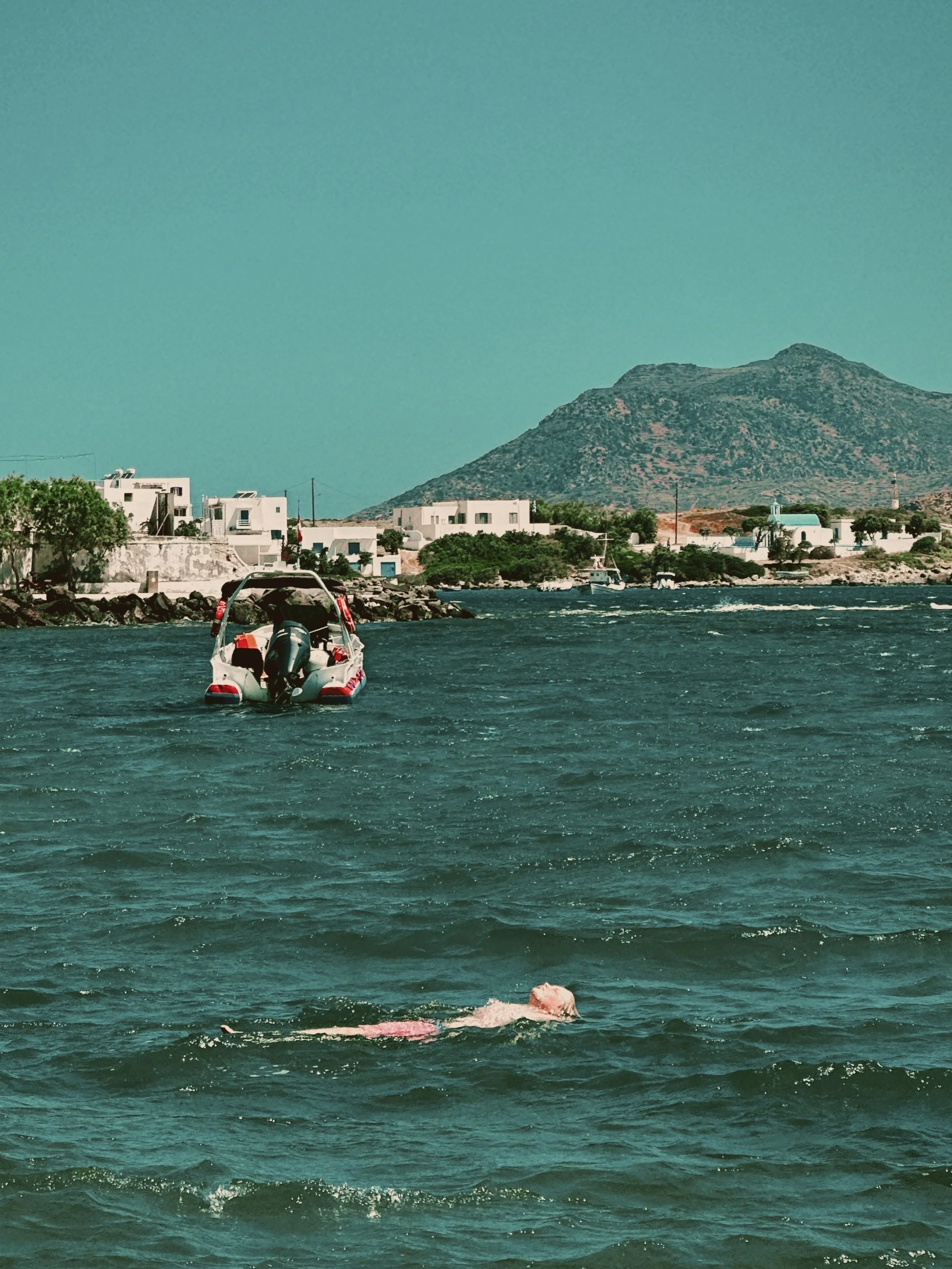
Hidden beach and coves in Pollonia, Milos, Greece.
Ask locals where the best beaches are that they go to and go early, bring some snacks and float the day away without putting too many activities in the calendar!
Week One: Settling In
Days 1-2: Arrival and doing nothing
We don't plan anything for the first 24-48 hours. Jet lag, adjustment, and just getting oriented take priority over adventures. We usually pick a rental or a boutique hotel with a kitchenette — it gives us a home base that actually feels like a home. Go for swim, find the local grocery or mini market. Relax.
These packing cubes make our lives so much more simpler
Days 3-5: One neighbourhood at a time
Instead of trying to "see everything" we pick one neighbourhood a day and just walk it. No itinerary beyond a general direction. This is where a lot of the real memories happen — a bakery we stumbled upon, an uncrowded beach, a yummy restaurant that locals suggest.
We always bring a simple travel journal for him and a camera for him to jot down notes and take pictures of things he loves.
Days 5-7: A slower day trip
One longer excursion for the week — but this isn’t big theme parks. We pick a destination, maybe a historical site that you can only access by foot up a mountain, or a swimming hole that you need an ATV to get to, or a sailing excursion to see hidden caves and swim in the sea. Something that we can all enjoy without feeling the hustle.
Week Two: Rhythm and Reflection
Days 8-10: Repeat favourite spots
By now we have "our" cafe, bakery, or maybe a beach. Revisiting instead of always seeking something new is, we've found, what actually makes a place feel like it was ours — and it's also what our son remembers most vividly afterward. The tavernas, where the family that owns it remembers you and greets you with a warm welcome, the beach that you know won’t be busy at 10 am and where to sit to grab some shade.
Days 11-12: A day of rest, no plans
Slow travel means building in true rest days, not just "lighter" days. We treat these as sacred — no guilt about "wasting" a travel day. It's often when the best conversations happen, over a game of cards, grabbing an ice cream and just have a recharging siesta.
Days 13-14: Wind down and reflect
We spend part of the last day going back through our favourite places, talking about his favourite moments. Looking at pictures, rocks and shells we’ve collected, notes we made. It's become a small ritual we all look forward to.
Why This Works for Us
This pace won't suit every family or every trip. But if you've ever come home from a "big" trip feeling like you saw everything and remembered nothing, slowing down might be worth trying — even just once.
What does your family's ideal travel pace look like? I'd love to hear how other families balance seeing things with actually being present.
